With rising costs, increased competition, and evolving consumer behaviour, many UK business owners are asking a critical question: is paid advertising worth it 2026? From Google Ads to paid social campaigns, the landscape has shifted significantly — but that doesn’t mean paid advertising has lost its value.
In reality, paid advertising remains one of the most powerful tools for generating immediate, scalable results — if executed correctly. For industries such as legal services, healthcare clinics, e-commerce brands, and construction companies, PPC campaigns can still deliver high-quality leads and measurable ROI.
This article breaks down whether paid advertising is still worth the investment in 2026, what’s changed, and how UK businesses can maximise results.
What Has Changed in Paid Advertising?
To understand whether paid advertising worth it 2026 is still a valid strategy, we need to examine how the ecosystem has evolved.
1. Increased Competition
More UK businesses are investing in PPC than ever before. Whether you’re a London-based law firm or a Manchester e-commerce brand, competition for top ad placements has intensified.
2. Rising Cost-Per-Click (CPC)
Industries like legal, finance, and insurance have seen CPCs rise significantly. However, higher costs don’t necessarily mean lower profitability — it depends on conversion strategy and customer lifetime value.
3. Smarter Algorithms
Platforms like Google Ads and Meta now rely heavily on machine learning. Campaign success increasingly depends on strategic input rather than manual optimisation.
4. Privacy and Tracking Changes
With stricter GDPR regulations and cookie limitations, tracking has become more complex. Businesses must now rely on first-party data and server-side tracking.
So, Is Paid Advertising Still Worth It in 2026?
The short answer: yes — but only when done strategically.
For UK businesses that treat PPC as a long-term growth channel rather than a quick fix, paid advertising continues to deliver:
- Immediate visibility in competitive markets
- Highly targeted audience reach
- Scalable lead generation
- Measurable performance and ROI
However, success depends on execution. Poorly managed campaigns will burn budget quickly.
Industries Where Paid Advertising Still Delivers Strong ROI
Legal Firms
Solicitors and legal practices in cities like Birmingham and London rely heavily on Google Ads for high-intent searches such as “divorce lawyer near me” or “employment solicitor UK”.
Healthcare & Dental Clinics
Private clinics use paid search and social ads to attract patients for treatments like cosmetic dentistry or physiotherapy.
Construction & Trades
Builders, electricians, and plumbers benefit from local PPC campaigns targeting urgent, high-intent searches.
E-commerce Brands
Retailers leverage Google Shopping and Meta Ads to drive product sales and retarget website visitors.
Hospitality & Restaurants
Restaurants and hotels use location-based ads to increase bookings and foot traffic.
When Paid Advertising Becomes Ineffective
If you’re questioning paid advertising worth it 2026, it’s often due to poor campaign performance. Common issues include:
- No clear targeting strategy
- Weak landing pages
- Low conversion rates
- Ignoring data and analytics
- Over-reliance on automation without strategy
Without a structured approach, even large budgets fail to produce results.
What Makes Paid Advertising Work in 2026?
1. Conversion-Focused Landing Pages
Driving traffic is only half the equation. High-performing campaigns require landing pages designed to convert.
This is where expert digital strategy becomes essential — aligning ads with user intent and business goals.
2. Audience Targeting & Segmentation
Modern PPC campaigns rely on precise audience segmentation, including:
- Location-based targeting (e.g. London, Leeds, Glasgow)
- Behavioural targeting
- Remarketing audiences
3. Data-Driven Optimisation
Successful campaigns are continuously refined using performance data. Metrics such as:
- Cost per acquisition (CPA)
- Conversion rate
- Return on ad spend (ROAS)
…determine long-term success.
4. Integration with SEO & CRO
Paid advertising works best when integrated with organic strategies. Combining PPC with SEO services and conversion rate optimisation creates a sustainable growth system.
Google Ads vs Paid Social: Where Should You Invest?
Google Ads
Best for capturing high-intent searches. Ideal for:
- Legal services
- Trades
- Professional services
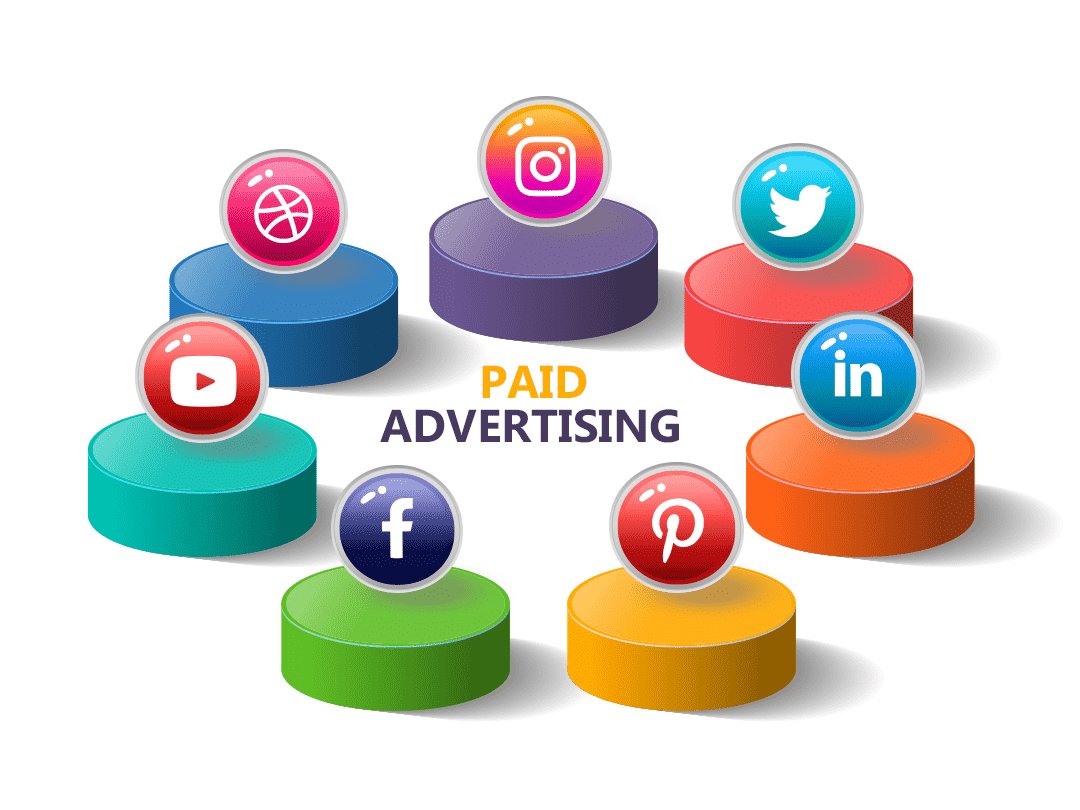
Paid Social (Meta, LinkedIn, TikTok)
Best for awareness and demand generation. Ideal for:
- E-commerce brands
- Hospitality businesses
- Education providers
Most UK businesses benefit from a hybrid approach.
The Real Cost of Not Using Paid Advertising
Choosing not to invest in PPC can result in:
- Lost market share to competitors
- Reduced visibility in search results
- Slower business growth
For example, a Leeds-based estate agent relying solely on organic traffic may struggle against competitors actively bidding on property-related keywords.
How BVS Digital Helps UK Businesses Win with PPC
At BVS Digital, we approach paid advertising as a performance-driven growth channel — not just ad spend.
Our approach includes:
- In-depth keyword and competitor research
- High-converting ad copy and creatives
- Landing page optimisation
- Ongoing campaign refinement
If you’re unsure whether paid advertising worth it 2026 applies to your business, we provide tailored strategies based on your industry, location, and goals.
Ready to generate more leads and maximise ROI? Contact our team today.
Conclusion
So, is paid advertising worth it 2026? Absolutely — but only when approached strategically.
For UK businesses across industries — from legal firms in London to e-commerce brands in Manchester — PPC remains a powerful driver of growth. The key lies in execution, data, and continuous optimisation.
Businesses that invest wisely will continue to outperform competitors and scale effectively in an increasingly digital-first market.
Frequently Asked Questions
Is paid advertising still effective for small UK businesses in 2026?
Yes, when targeted correctly, PPC allows small businesses to compete with larger brands by reaching specific audiences and generating measurable results.
How much should a UK business spend on PPC?
Budgets vary by industry, but most SMEs start with £1,000–£3,000 per month and scale based on performance and ROI.
Which platform is best for paid advertising in 2026?
Google Ads remains best for high-intent searches, while platforms like Meta and LinkedIn are ideal for brand awareness and targeting specific demographics.
How long does it take to see results from paid advertising?
Initial results can appear within days, but optimal performance typically develops over 4–12 weeks with ongoing optimisation.